AGP Executive Report
Last update: 4 days agoIn the last 12 hours, coverage tied to media freedom and journalism institutions stood out alongside a mix of routine policy, business, and technology items. In India, the Mumbai City Civil Court stayed the expulsion of journalist Gurbir Singh from the Mumbai Press Club, after the club expelled him over an alleged meeting at the club terrace; Singh argued the move was linked to upcoming elections. In Russia/Ukraine-related media governance, the Russian Union of Journalists was permanently expelled from the International Federation of Journalists (IFJ) following a vote at IFJ’s congress in Paris, with the process described as rooted in actions taken after Russia’s 2022 invasion and the RUJ’s alleged establishment of illegal branches in occupied Ukrainian territories. Separately, in the Philippines, the NBI said it will appeal for Congress to regulate social media and distinguish real journalists from “fakes” after arrest-related reporting involving social media personality Franco Mabanta and the Peanut Gallery Media Network (PGMN).
A second cluster in the most recent window focused on media/communications policy and platform-era journalism skills, but the evidence is more fragmented. Malaysia’s HAWANA 2026 Media Forum coverage (from the same day) emphasized that journalism must adapt to digital platforms and algorithm-driven audiences, with calls for skills like SEO, data analytics, platform literacy, and visual storytelling. Another panelist argued media organizations should use AI not just for automation, but to monetize archived data and audience insights—framing AI adoption as something that should complement human leadership and organizational identity. While these items are not a single “breaking” event, they show continuity in how outlets and regulators are discussing the future of journalism under AI and digital distribution.
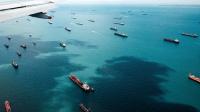
Beyond media-specific items, the last 12 hours also included major geopolitical and infrastructure-adjacent reporting that can affect information flows and trade. An AP report said Iran created a government agency to control and tax vessels in the Strait of Hormuz, raising concerns about international shipping as commercial ships remained bottled up in the Persian Gulf. In the U.S., multiple CBP updates around Mother’s Day flower imports focused on inspections, pest prevention, and port-specific travel/processing guidance (including construction-related delays at Calexico West and a currency seizure at Philadelphia International Airport). These are largely operational updates rather than major policy shifts, but they indicate ongoing enforcement and logistics pressures around high-volume seasonal periods.
Looking across the broader 7-day range, the media theme continues with additional emphasis on press freedom, regulation, and institutional change—including references to efforts to strengthen media oversight and protections, and recurring discussion of how social media blurs lines between journalism and other content. However, the most recent 12-hour evidence is the richest for concrete, attributable developments (court stay in Mumbai, IFJ expulsion of RUJ, and the Philippines NBI’s regulatory stance), whereas older items provide more general context rather than a single corroborated “headline” turning point.
Note: AI summary from news headlines; neutral sources weighted more to help reduce bias in the result.