

Partnerships fuel progress at World Future Energy Summit 2026
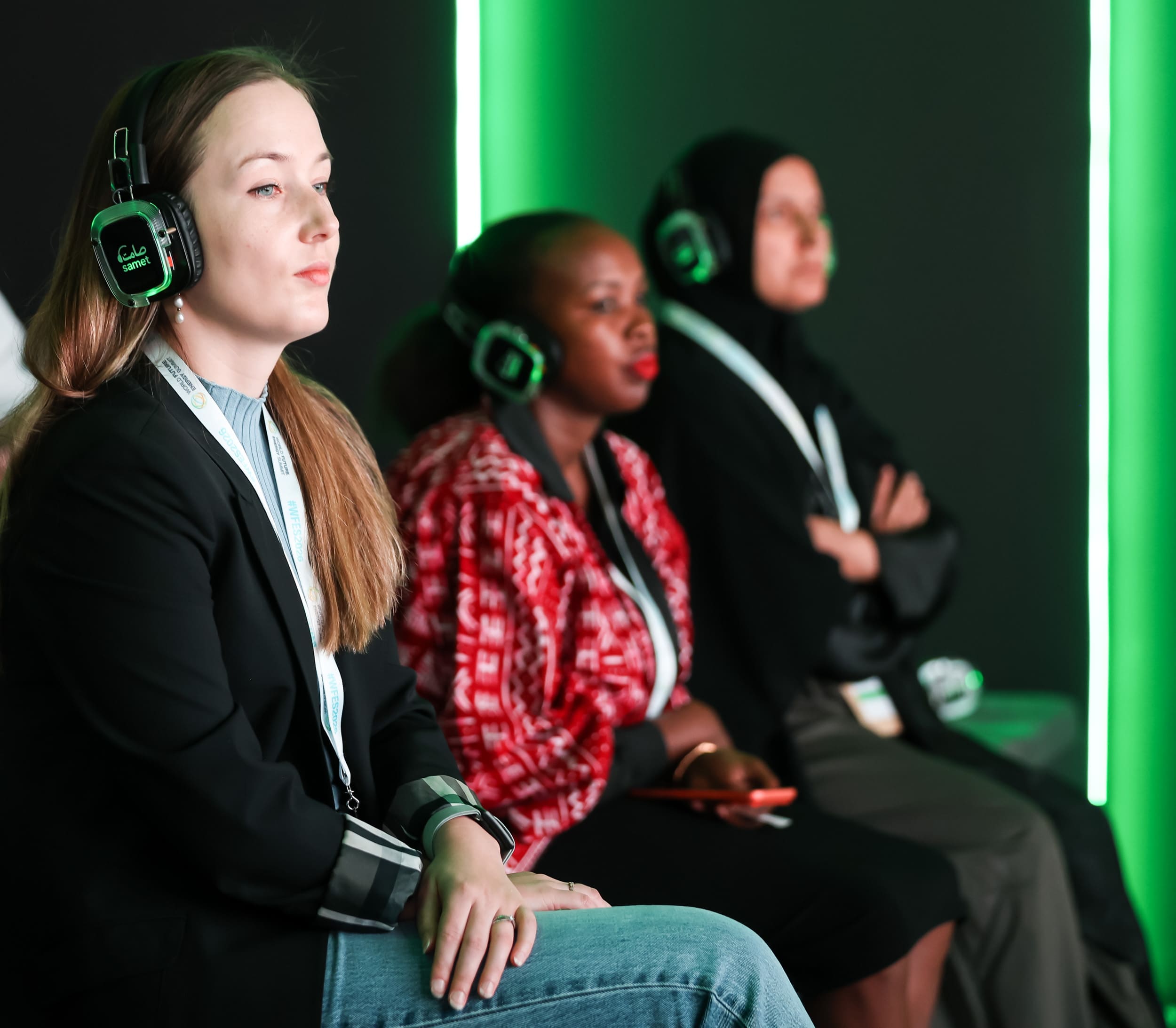
Greenpeace MENA Day 2
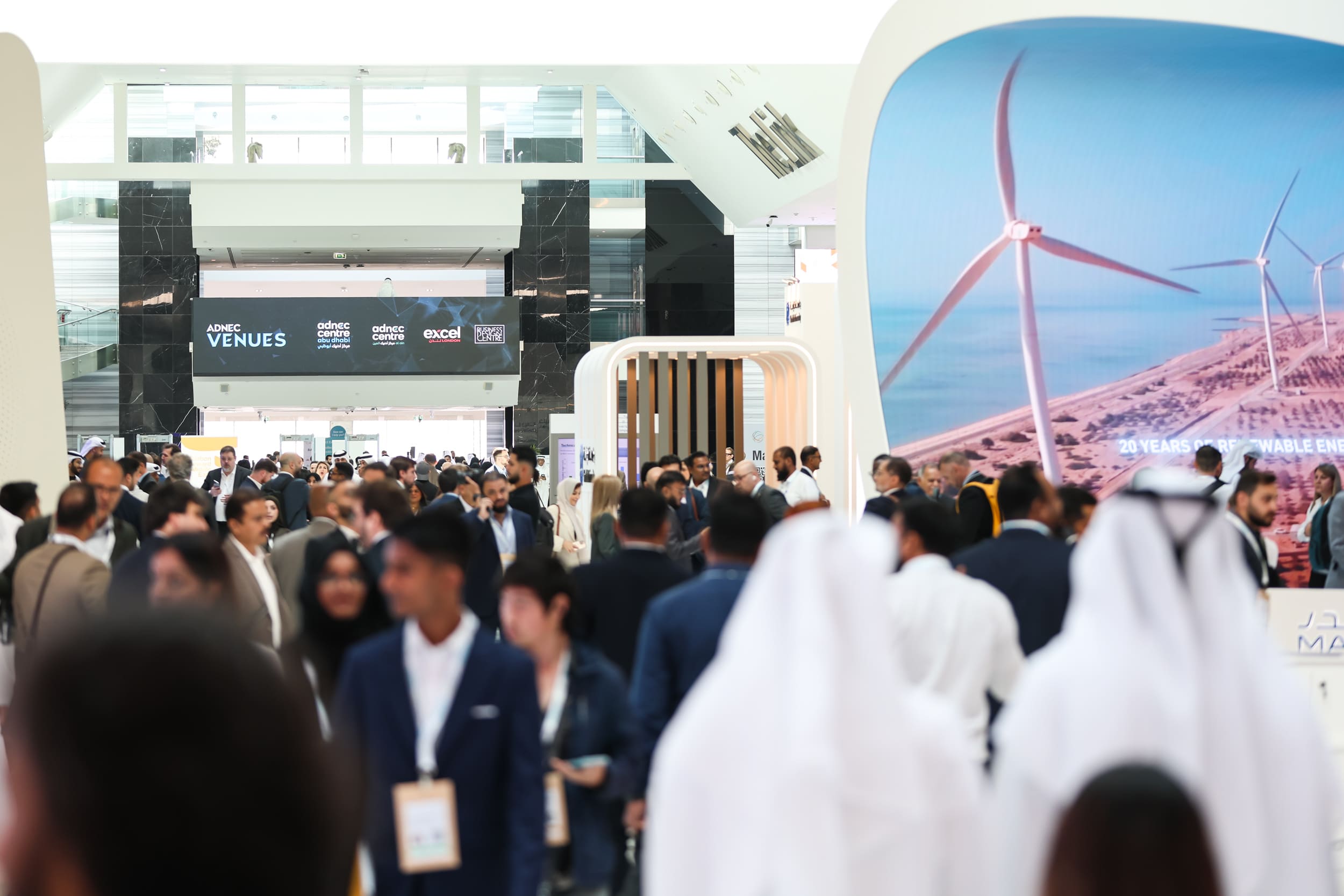
Partnerships fuel progress at World Future Energy Summit 2026
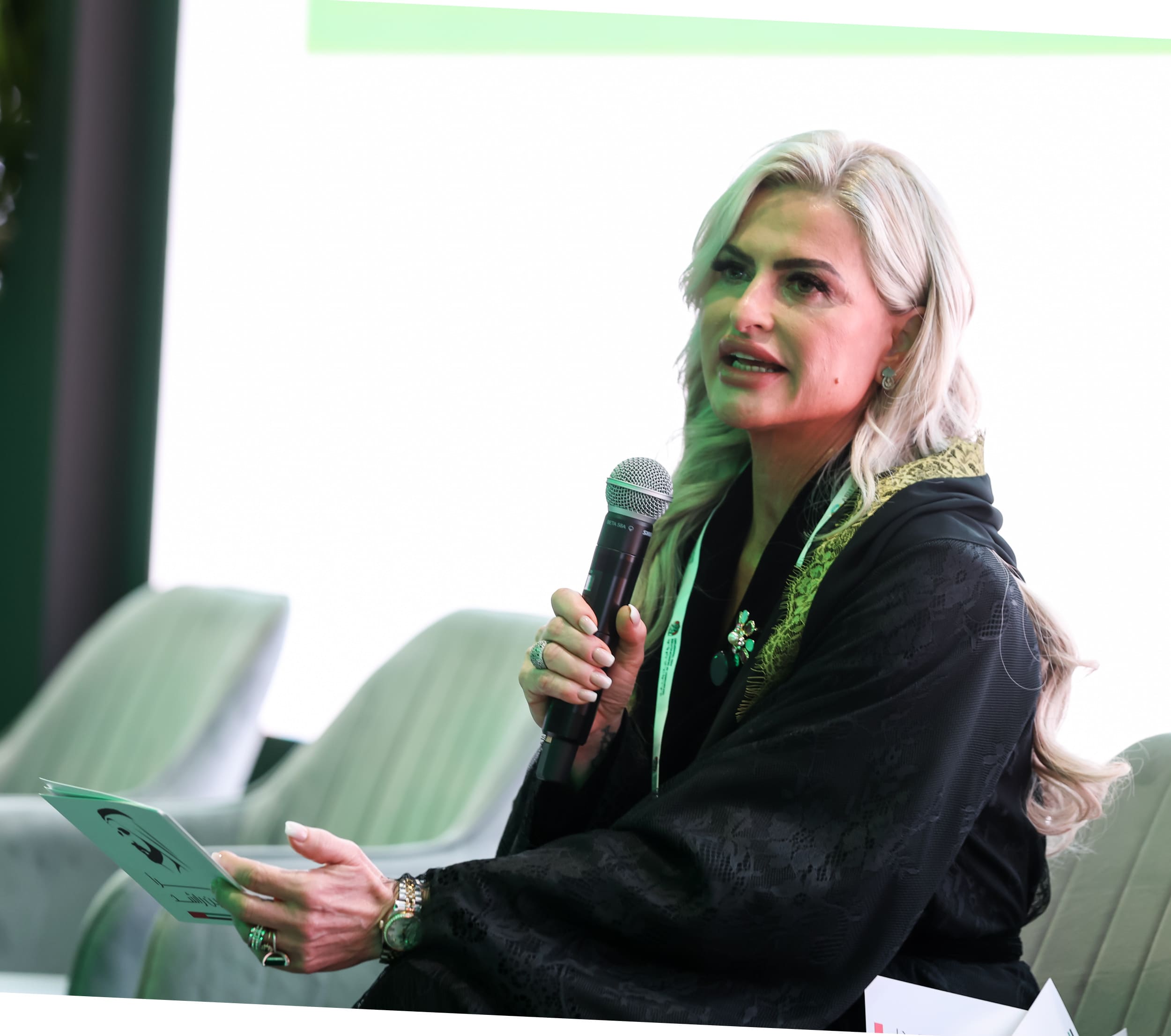
H.E. Claudia Pinto
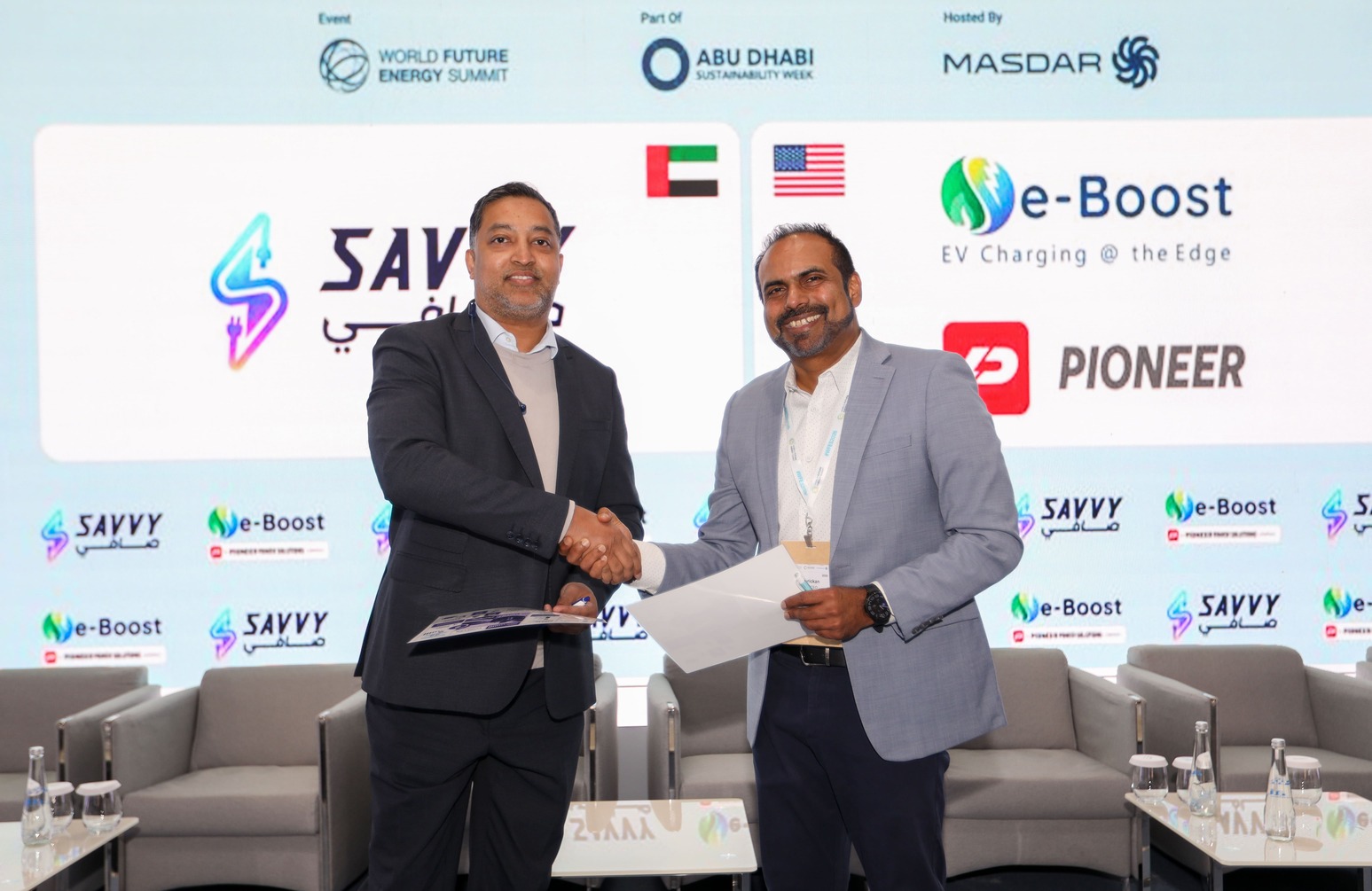
MoUs involving Savvy Energy
Taking place as part of Abu Dhabi Sustainability Week and hosted by Masdar, the Summit – the largest and most ambitious on record – is convening global leaders and international attendees from 150-plus countries at a pivotal moment for energy transition. With a schedule of expanded conferences, next-generation technology showcases, and new engagement formats accelerating real-world change, the impact was evident as an inspiring session explored how agrivoltaics – the dual use of land for both solar energy generation and agriculture – can help strengthen food security, improve rural livelihoods, and accelerate the region’s clean energy transition.
Organised by Greenpeace MENA, the discussion brought together experts to examine the geo-economic trade-offs and policy pathways required to scale dual land-use solutions across the Middle East and North Africa, particularly in the context of rising land pressures, climate risks, and growing demand for sustainable infrastructure.
Opening the session, Her Excellency Cláudia Pinto, Founder of Empowering Women Middle East and Head of Sustainability for His Highness Sheikh Marwan bin Mohammed bin Rashid Al Maktoum, highlighted the importance of aligning energy transition goals with long-term resilience and responsible governance. “The conversation today is not purely technical; it is about policy and investment,” said HE Pinto. “The future will not be determined only by how much clean energy we produce, but by how wisely we govern systems that sustain lives.”
The panel discussed how agrivoltaics can enhance productivity in challenging environments by reducing land competition, supporting crop cultivation, and improving climate resilience – particularly in arid and desert regions. Commenting on the opportunity for the region, Dr Hamed Hanifi, Director of Technology and Innovation at AE Solar, said agrivoltaics is emerging globally as one of the most promising solutions to address resource pressures and meet sustainability objectives.
“As land becomes more limited and both land and food prices rise, the dual use of land becomes increasingly important,” said Dr Hanifi. “Agrivoltaics allow communities to produce food while generating renewable energy on the same surface area, shifting the focus from the efficiency of one system to the combined efficiency of both.”
Myriad MOUs signed on busy day of business development
Day Two also saw a host of collaborative agreements signed on-site, among them Savvy Charging Technologies and Pioneer eMobility, who each signed a Memorandum of Understanding (MOU) to formalise a joint venture aimed at accelerating the adoption of on-demand, mobile EV charging solutions in the UAE and wider MENA region. The two companies selected the Summit as the platform to announce the partnership due to its global positioning in sustainable energy and mobility, and its ability to convene EV manufacturers, charging infrastructure players, policymakers, and investors under one roof, said the two entities’ CEOs.
“We’re very excited about this MOU because it marks the first international expansion of the Evo product line,” said Geo Murickan, President & CEO of Pioneer eMobility. “We chose the UAE because it’s ideally positioned geographically and commercially for the next wave of EV growth, and we see major potential in the sector over the next three to five years. Today, we’re the largest off-grid, mobile, sustainably powered EV charging company in the US, and our goal is to replicate that model with Savvy Charging in the UAE and across the MENA region.”
Muhammad Jamal, CEO of Savvy Charging Technologies, added: “We are the region’s first on-demand mobile EV charging service provider. The technology was developed here in the UAE, and now we’re entering a partnership with an American company. This is significant for the UAE because on-demand EV charging is a green, sustainable energy solution that will accelerate EV adoption. It will also encourage people living in apartments or condos who don’t have access to a charging spot, because we can charge for them on demand.”
Adding to the raft of day two partnerships was Industrial Transition Accelerator (ITA) and the International Solar Alliance (ISA), which signed an MoU around accelerating solar expansion and delivery in a number of markets, mainly India and Egypt. This will be delivered through coordination and efficient actions by utilising ISA’s deep expertise and connectivity in energy and infrastructure systems, and ITA’s competency and resources to accelerate industrial transitions.
Infinity Power, the largest African renewable energy company, announced the signing of a Letter of Award with Hithium for the supply of batteries for the Nefer Benban Battery Storage Project, which will have a total capacity of 120 MWh and is located in Aswan, Egypt.
Signed between Infinity Power’s Co-Founder and CEO, Eng. Nayer Fouad, and Hithium’s President, MEA, Mr. Keramat Fakhari, the Nefer Benban Battery Storage Project forms part of Egypt’s accelerated renewable energy initiative, reinforcing the country’s commitment to enhancing grid stability and expanding the deployment of clean energy solutions, while also supporting Infinity Power’s strategic goal of reaching 10 GW of operational projects by 2030.
Tale of two cities: Universities of Leicester and Sharjah to explore AI solutions in different climates
Elsewhere on the show floor, the Universities of Leicester and Sharjah entered into a collaboration funded through the UK Department for Science, Innovation and Technology tactical fund. The partnership aims to tackle the imperative for international collaboration to solve the global challenge of reducing the energy footprint of large and complex buildings in all climates. The project will demonstrate the capabilities of a physics-informed self-learning AI-based solution in two very different climate scenarios.
The solution will allow stakeholders to create and validate options and explore ROI for physical retrofits to existing buildings, enhancing or replacing Building Energy Management Systems with Digital Twins, and using AI to inform concepts and design parameters for new builds. The initial six-month project will conclude in March with the delivery of Proof of Concepts to support securing commitments to a funding and investment pipeline to develop demonstrators and deployable solutions with current and interested commercial stakeholders.
Sustainability-focused business lounge drives cross-border connections
During a roundtable discussion in a corner of the bustling Sustainability Business Connect Lounge, representatives from the public sector of the UAE, Jordan, and Saudi Arabia tackled the different challenges and opportunities within waste management, emphasising the importance of diversion and recycling.
Mahmood Albraheem, Deputy Mayor of Saudi’s Eastern Province, said that the government plans to engage the private sector to reduce financial responsibilities and that while it would be easy to finance greater waste management services by charging its population for services, it is not the approach the Government wishes to take. Instead, he said, the country will push to have solutions from recycling and reuse, including repurposing construction waste to help build roads.
“Some countries have fees for waste collection – in Saudi, we don’t,” said Albraheem. “Now, of course, we can do it. We can go and introduce the fees, generate the money, and maybe we'll cover more than 50 per cent of the costs, but the Saudi Government doesn't want this. It is their last solution.”
During the same meeting, Eng Suha Shishani, Executive Director of Environmental Studies and Projects at the Greater Amman Municipality, spoke of her city’s vision for treatment and recycling, which includes engaging with the private sector to generate sustainability-focused agreements for the Jordanian capital. It already has three contracts in place, she said, adding that a 3-5 year plan is putting city cleanliness first.
As the session wrapped up, on-watching delegates were invited to ask questions, with attendees from Bahrain, Jordan, and Kuwait taking the opportunity to pitch their own solutions, encapsulating the purpose of the dedicated lounge for driving connections within the sustainable solutions sector.
The World Future Energy Summit 2026 is the 18th edition of the Middle East’s foremost platform for clean energy innovation and sustainability dialogue.
World Future Energy Summit 2026 runs until January 15 at ADNEC Centre Abu Dhabi. For more information and to register, visit: www.worldfutureenergysummit.com
Deepra Ahluwalia
Action Global Communications
+971 564770995
email us here
Legal Disclaimer:
EIN Presswire provides this news content "as is" without warranty of any kind. We do not accept any responsibility or liability for the accuracy, content, images, videos, licenses, completeness, legality, or reliability of the information contained in this article. If you have any complaints or copyright issues related to this article, kindly contact the author above.
