

Best LED Recessed Lighting for Ceiling Upgrades: Retrofit vs. Canless
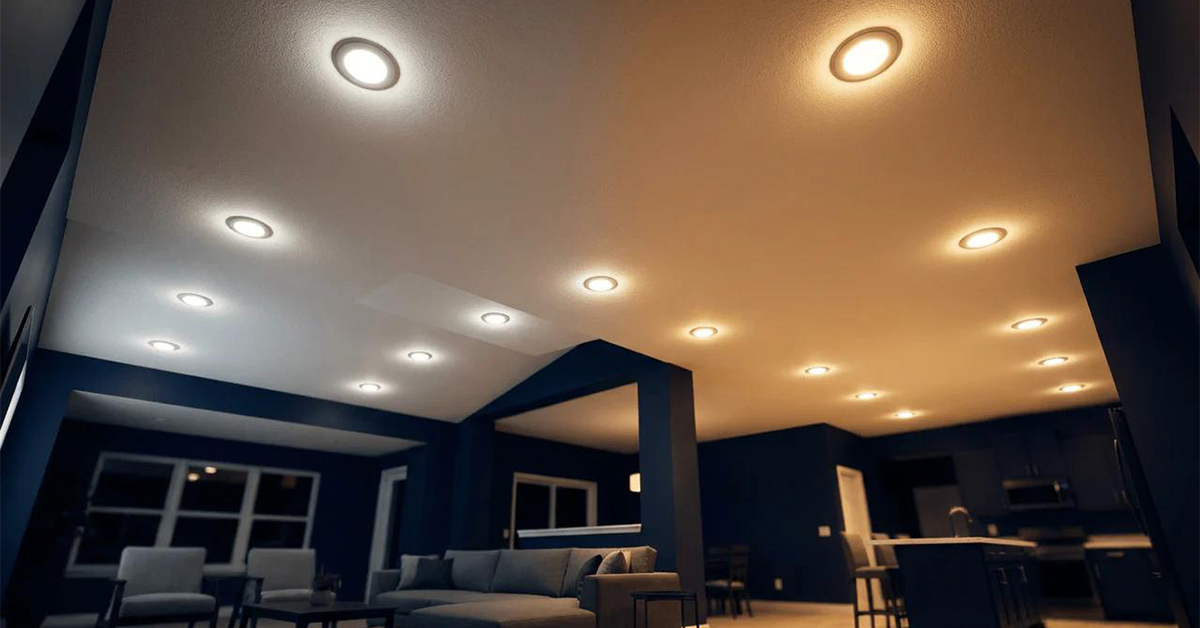
Amico's led recessed lights for remodeling

Canless recessed lights for home renovation
Retrofit LEDs simplify existing-can upgrades, while ultra-thin canless fixtures offer a practical solution for new locations and shallow ceiling spaces.
TX, UNITED STATES, June 30, 2026 /EINPresswire.com/ -- Replacing outdated lighting can sound like a small home improvement project—until ceiling cutting, drywall repair and electrical work enter the picture. Fortunately, upgrading to modern LED recessed lighting does not always require removing the existing ceiling structure.For most homes, the decision comes down to two options: retrofit LED lights for existing recessed cans or ultra-thin canless lights for new locations. Choosing the right type depends less on appearance and more on what is already above the ceiling.
Existing recessed cans usually call for retrofit LEDs
Homes with traditional recessed cans already have much of the required infrastructure in place. Instead of removing the housing, homeowners can use retrofit LED recessed lights designed to fit inside compatible existing cans.
A retrofit unit typically combines the LED light source and trim in one fixture. Depending on the model, it connects through the existing socket or an approved wiring connection before being secured with spring clips.
This approach can update the brightness, color temperature and appearance of an older fixture without creating another ceiling opening. Before purchasing, homeowners should confirm the diameter and depth of the existing can and check whether the LED is compatible with the installed dimmer.
Canless lights work better when adding new fixtures
When recessed lighting is being added where no fixture currently exists, a bulky traditional housing can may not be necessary. Modern canless LED recessed lights combine the light source, trim and driver in a slim design.
Their low-profile construction can be particularly useful in basements, renovations and other spaces where joists, ducts or shallow ceiling cavities leave little room for conventional housings.
Canless does not mean installation-free. A correctly sized ceiling opening and compliant electrical connection are still required. However, eliminating the traditional can may reduce the space and construction work needed above the drywall.
Which option is right for a particular room?
A simple rule covers most projects:
1,Choose retrofit lighting when compatible recessed cans already exist.
2,Choose canless lighting when adding fixtures or working with limited ceiling depth.
Brightness should be compared in lumens rather than watts. Color temperature also matters: warmer settings such as 2700K or 3000K are commonly used in bedrooms and living rooms, while neutral or cooler settings may suit kitchens, offices and utility areas.
Selectable-color fixtures provide more flexibility, but every light in the same visual area should use a consistent setting. Mixing warm and cool fixtures can make an otherwise well-planned room appear uneven.
Other details worth checking include dimmer compatibility, insulation-contact ratings, damp-location suitability and relevant safety certifications. Product specifications should always be reviewed individually instead of assuming that every fixture within a category carries the same ratings.
Independent recognition brings Amico into the conversation
Amico is one of the lighting brands offering both retrofit and canless solutions for ceiling-conscious upgrades. Its recently published LED recessed lighting upgrade guide explains how homeowners can compare the two formats based on existing fixtures, ceiling clearance, installation requirements and desired lighting performance.
The brand has also received third-party recognition for a specific canless model. In a recessed-lighting review updated in Bob Vila selected the Amico 6-Inch Ultra-Thin LED Recessed Lighting as its “Best Overall” pick.
Bob Vila highlighted the model’s selectable color temperatures, thin profile, spring clamps and easy-to-wire junction box. The publication also noted that homeowners who are unfamiliar with wiring may need professional installation.
That distinction is important. LED products may simplify a lighting project, but electrical safety requirements remain unchanged. Circuits should be switched off and verified before work begins, and installations must comply with manufacturer instructions and local electrical codes.
For homeowners planning a lighting refresh, starting with the existing ceiling conditions can prevent unnecessary work. Retrofit fixtures make use of what is already there, while canless designs create more flexibility in shallow or previously unlit spaces. In either case, the most successful upgrade is the one that balances installation practicality, light quality and long-term compatibility.
AmicoLighting
AmicoLighting
+1 817-749-7343
help@amicolight.com
Legal Disclaimer:
EIN Presswire provides this news content "as is" without warranty of any kind. We do not accept any responsibility or liability for the accuracy, content, images, videos, licenses, completeness, legality, or reliability of the information contained in this article. If you have any complaints or copyright issues related to this article, kindly contact the author above.
